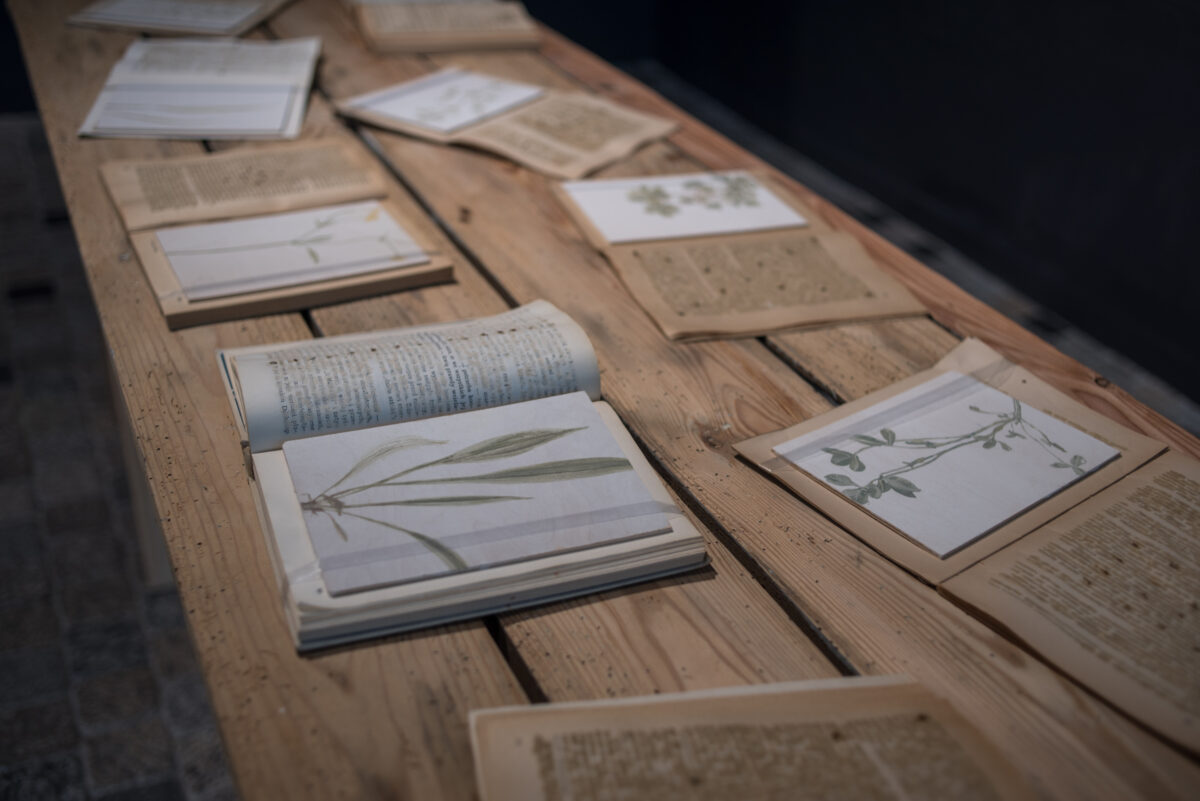
Maybe it was the memory of spring afternoons in Warsaw’s Krasiński park where people of all ages were seated holding books, reading by the blooming lilacs or maybe it was my ongoing preoccupation with herbals and herbaria that prompted me to think about f[a.l.l.ow], the collection of botanicals I had painted during my residency at Sala752, to evolve into book works.
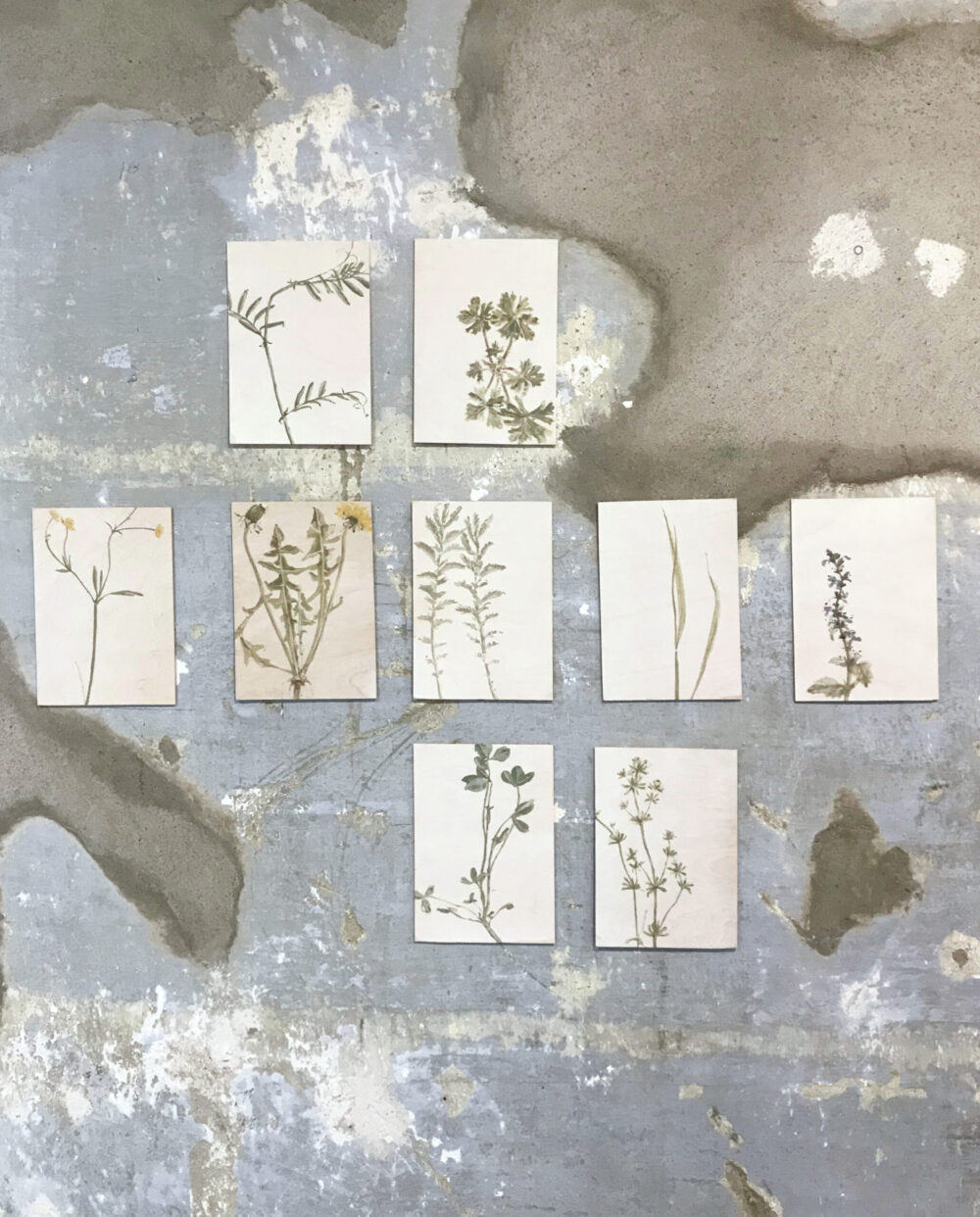
The pieces first emerged as a response to the field in Zaczernie, Poland, which I wrote about in “a season in the field”, and where on my quotidian walks, I would see new plants growing day by day as the landscape greened with the warming of the season. I thought about seasons and cycles, the plowers and sowers, of ancestors, of time passing and all the conversations here and all the land has seen. I thought also of the field’s uncertain future, its final plough likely that of a developer.
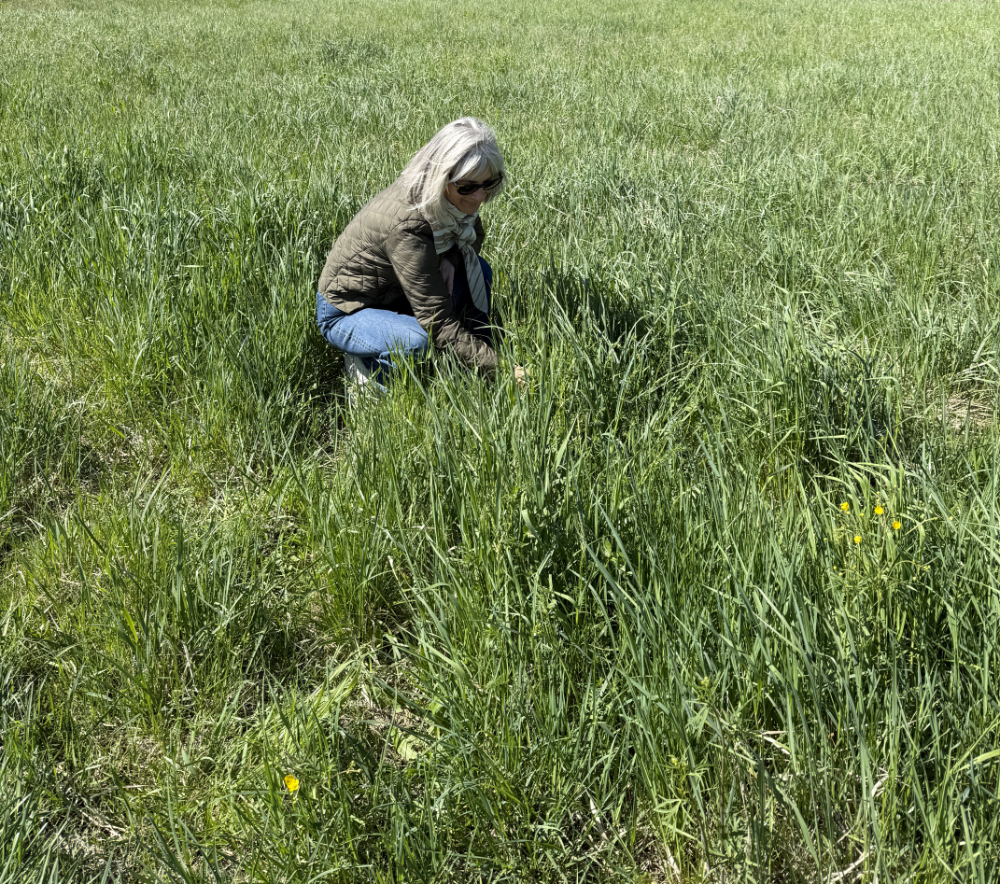
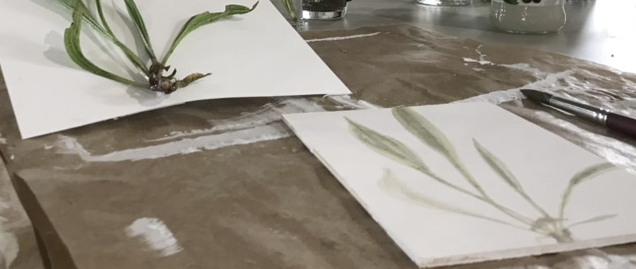
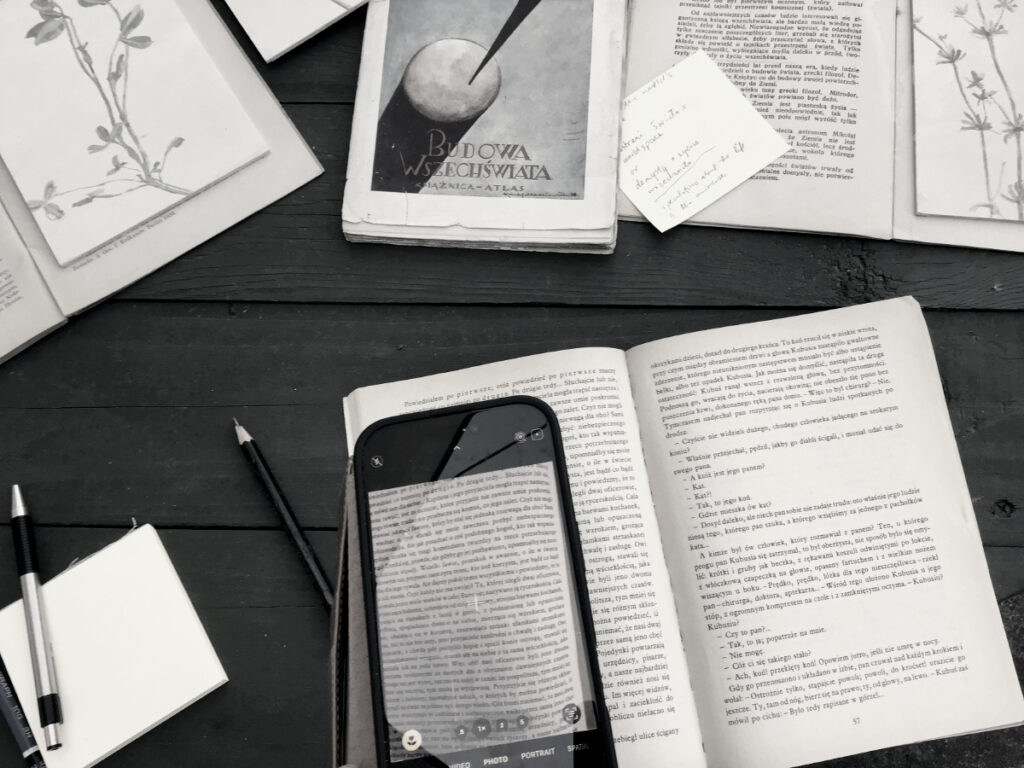
Two years hence, with all this time for gestation, the work itself remaining fallow, I returned to Poland, to Zaczernie for another season in the field. At a Rzeszów flea market, sifting through collections alongside a friend, who I could also describe in this case as collaborator/language consultant, we picked out books from 1929 – 1988 with curious titles and interesting content. And then with a few more trips to the local “vintage” store and book bins, I amassed a selection on geology, space, art, literature that would form the series. Scanning the content, I selectively chose words that inquired into or pointed to our relationship with land, into perception, and connection.
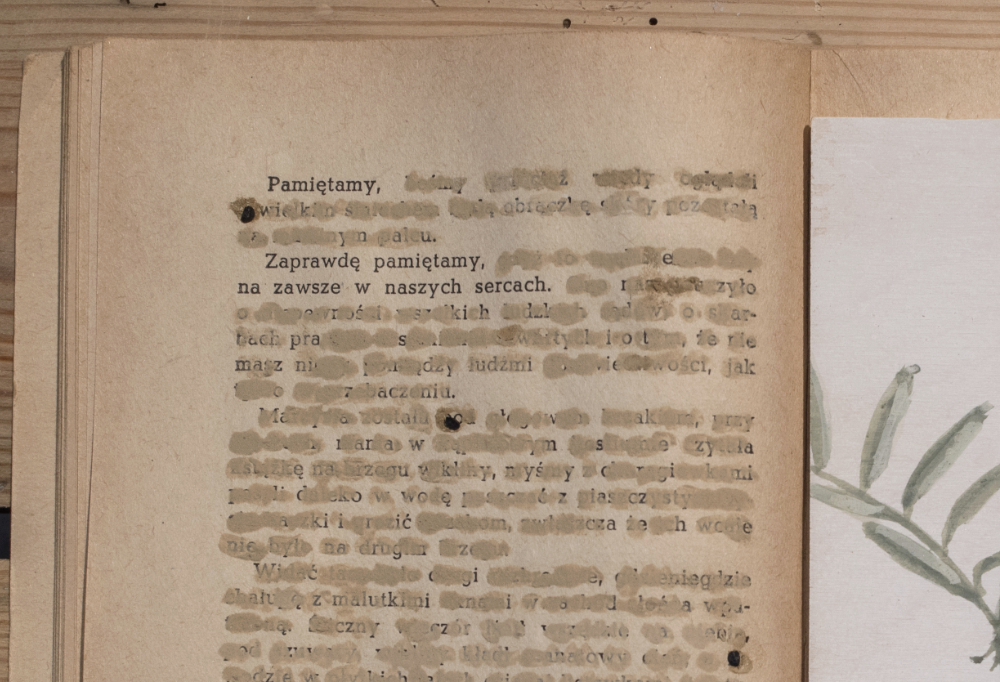
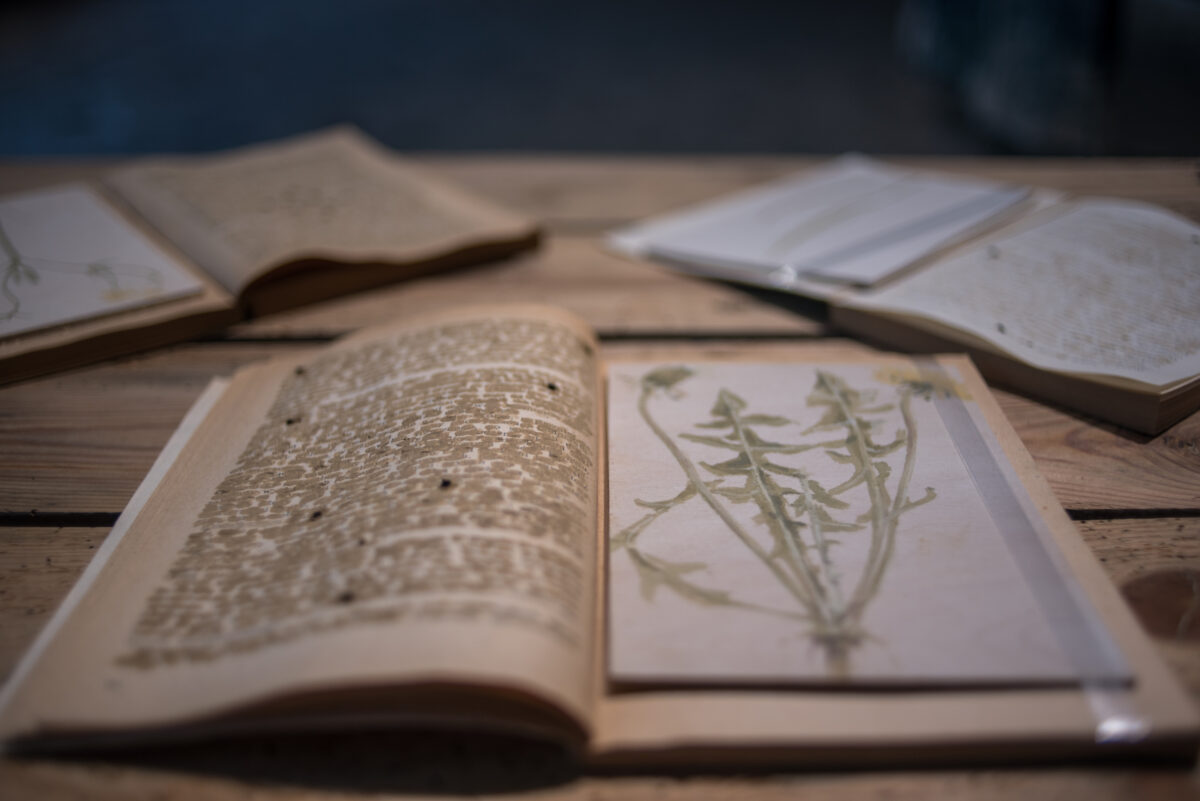
Using wild clay, dug from the area around Rzeszów, I blotted out letter by letter so that with close attention small bits of phrases could be read “ziemia – to miejsce gdzie znajduje się życie” (earth – is the place where life is found) or “Pamiętamy, zaprawdę pamiętamy na zawsze w naszych serach” (We remember, truly we remember forever in our hearts)
I considered the plant and word pairings and in the case of the meadow buttercup decided on “upamiętniający tradycją” (commemorating tradition) for this plant commonly found throughout the Polish countryside —- often made its appearance in traditional arrangements and particularly in the celebration of Boże Ciało( Corpus Christi) and Matka Boska Zielna (Our Lady of the Herbs)
One of the longest passages that I came across and kept as a whole, “potrzeba kontemplacji, glębokie umiłowanie natury, wiara, że we wszystkich jej przejawach, w każdym kamieniu, korzeniu — tkwią prawdy wcielające całą mądrość przyrody.” (the need for contemplation, a deep love of nature, the belief that in all its manifestations, in every stone, every root – there are truths embodying the entire wisdom of nature), shocked me with a spark of recognition for it articulated the underlying philosophy of my practice and essential motivation.
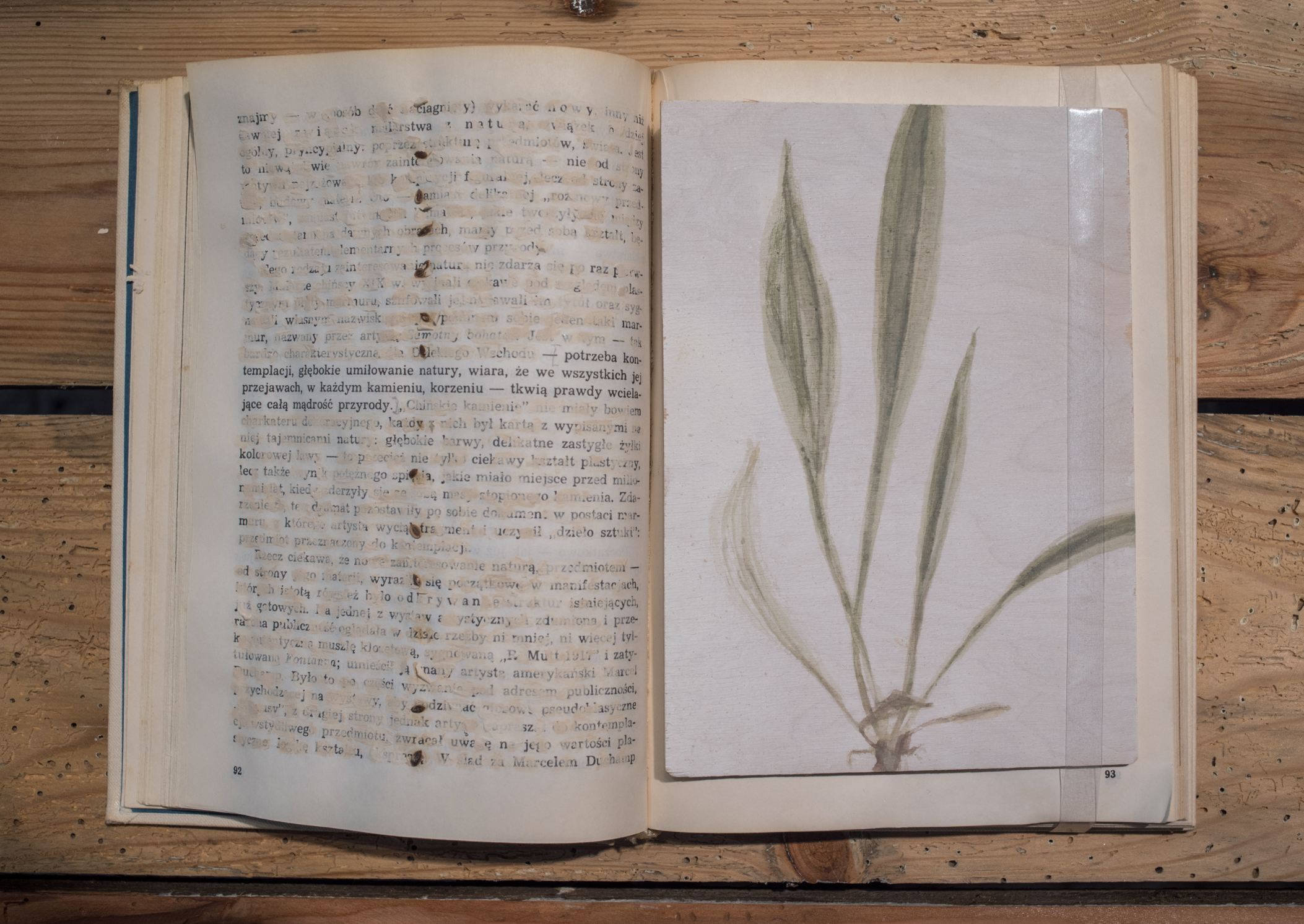
Accompanying the reworked folios, I “planted” seeds in the clay/earth, onion and dill, edibles commonly found in a Polish garden, in various configurations, like lines in garden or energetic diagrams.
I was nervous to show this collection, uncertain about how it would be received.
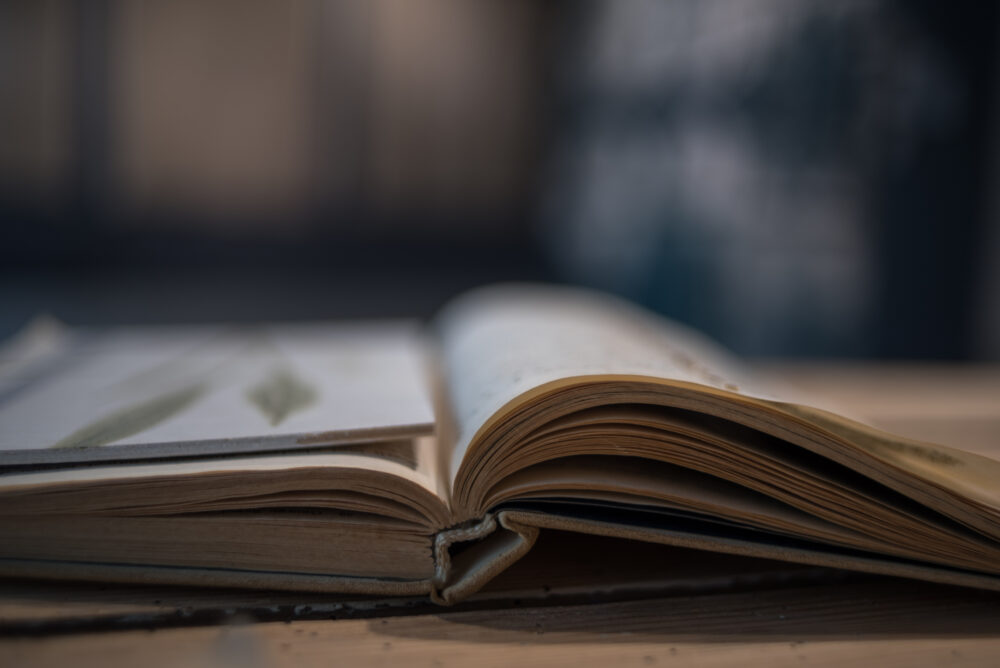
The works were presented strewn across a long table as open books with the left folio reworked text and on the right, the botanical painting fixed in place by a translucent band. To my surprise, viewers were curious not only about the folios, but the book titles and the book text. On many occasions when I was in the gallery, I would happen upon people thumbing through the pages, pausing to read.
My artist statement has long expressed that my work is an invitation into the tactile — and this I truly witnessed.
Book culture it seems is alive and well!